
The power of connection
This update follows a single thread through our recent work: the power of connection. Across communities divided by conflict, coalitions taking bold steps, alliances spanning continents, and leaders embracing new ways of working, the same truth surfaces – we are stronger together.
Connected Communities
We are piloting something new this year, moving from ‘breadth’ to ‘depth’ within our Caplor community. Rather than large webinars, we are bringing partners together for deeper conversations around a shared theme. The first theme was connected communities, and how to include, value and engage others to create more inclusive and diverse communities.
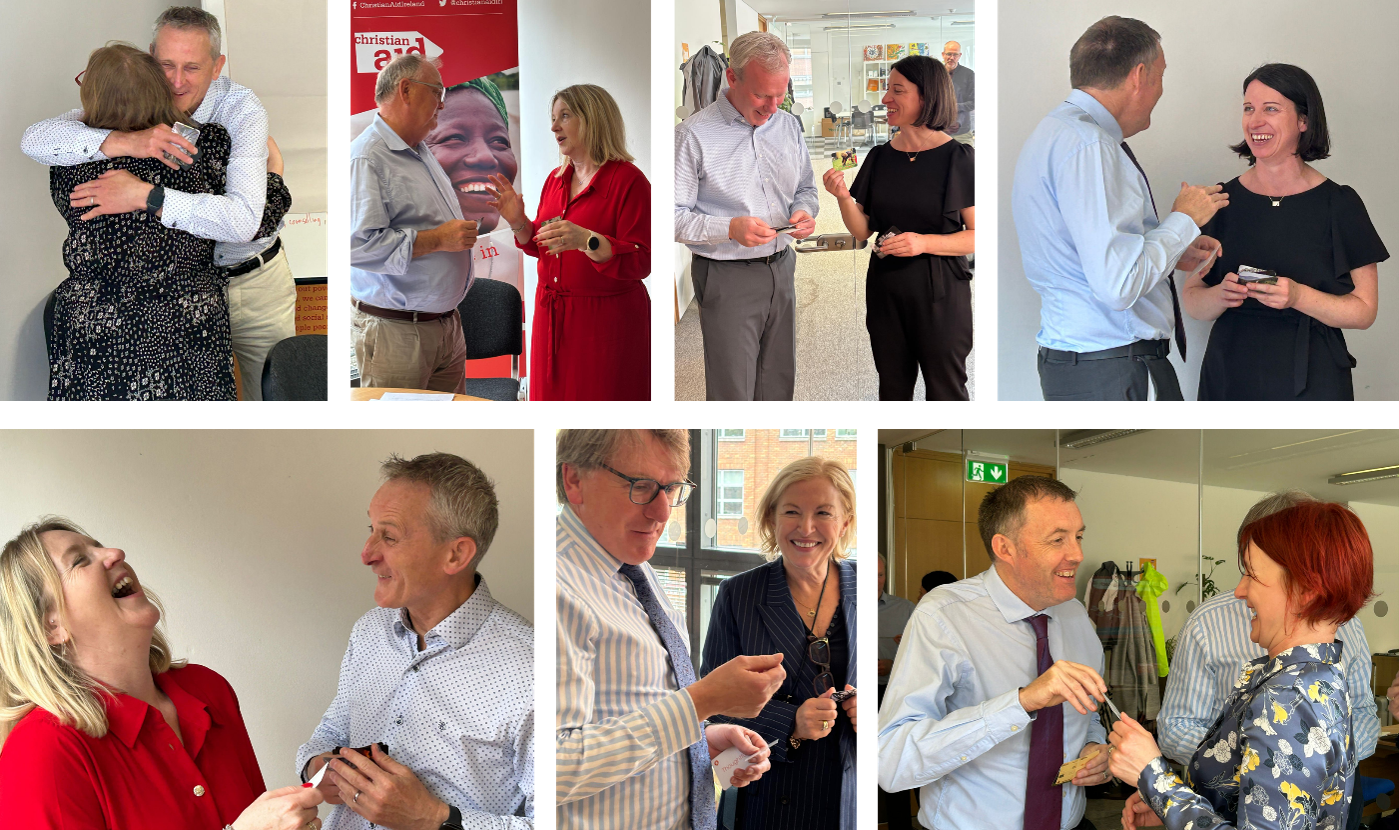
In late May we convened the first gathering, with leaders from Neighbourhood Watch, Refugee Action, ELS Education and Children in Crossfire. We invited some members to tell their own stories of what motivated them to come together to connect.
At its heart were three stories of connection across the divides: Richard (Moore), blinded as a boy in Derry during the troubles who befriended the soldier who shot him; Jonathan (Kazembe), a Caplor Horizons Trustee, who fled the Democratic Republic of Congo and found compassion in UK communities while seeking asylum; and Damian (Gorman), a poet and peacebuilder, who helps communities connect through their stories – and their silences.
What emerged most powerfully were 'stories' themselves as a bridge, and their place in peacebuilding. We are keen to develop this initiative and explore further how the power of stories can connect people and build stronger communities together.
Humanitarian Alliances
The Irish Emergency Alliance (IEA) is a collaborative endeavour at its heart – eight leading Irish humanitarian agencies who raise funds, pool resources, and save more lives together when an emergency strikes.
We have worked with IEA since 2022, and this year began our second Board Effectiveness and Strategy Renewal process with them. It's been encouraging to see how far their governance has come since the first review – and reassuring that member agencies still find the strategy we facilitated a helpful guide, with much of it remaining relevant today.
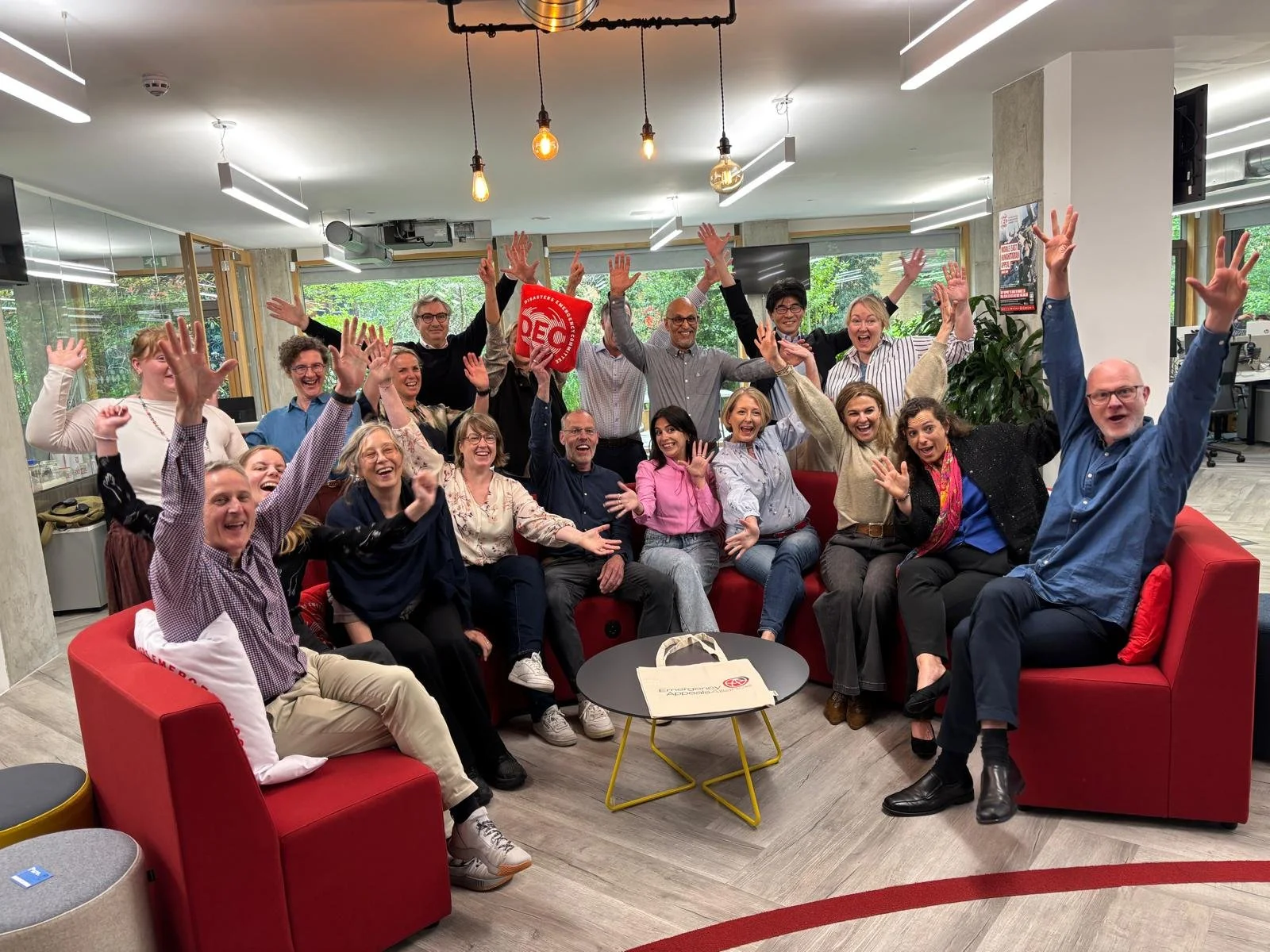
One partnership led to another. On the strength of our IEA work, we were invited to facilitate a strategy session for the Emergency Appeals Alliance (EAA) – the global network of national appeal alliances – with members from a number of countries including Australia, Canada, Belgium, Austria, Spain, Sweden, Switzerland, UK, Ireland, Japan, France, New Zealand, Germany and the Netherlands.
Their own description of their strengths said it all: ‘a supportive network where no member faces challenges alone, collaborating rather than competing, built on trust, when one alliance opens an appeal it strengthens the others’.
Sisters Not Strangers Coalition
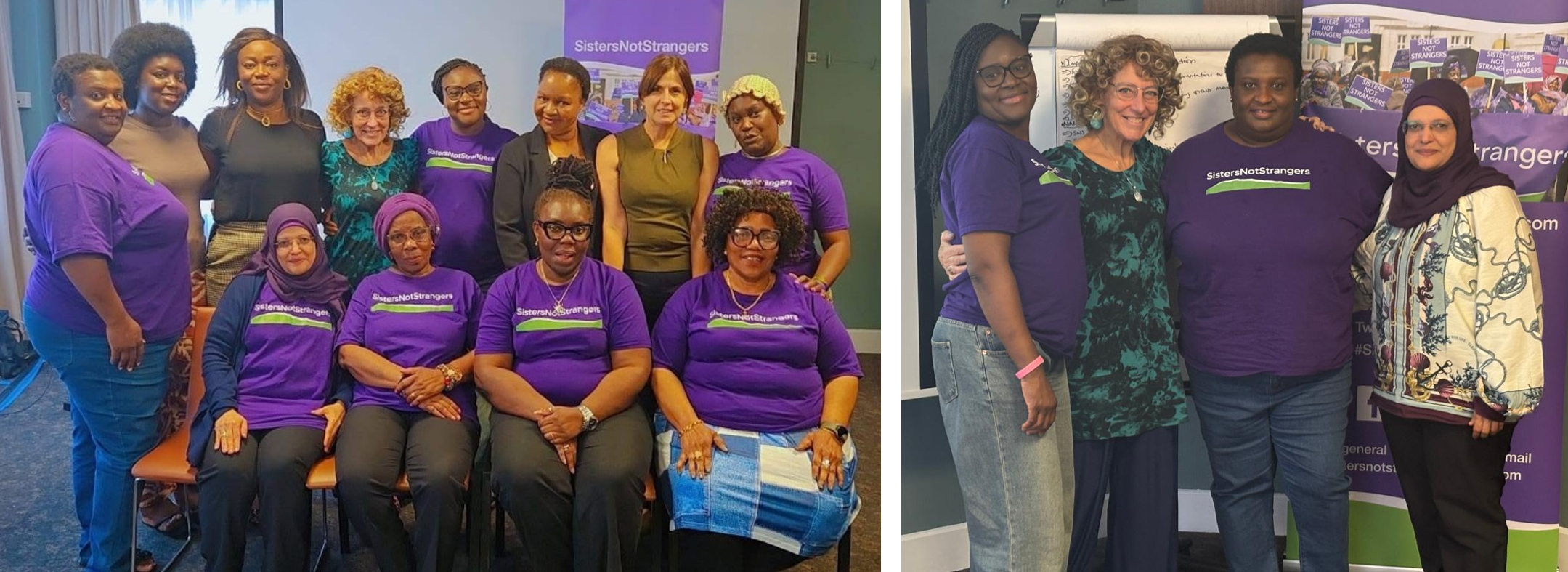
Sisters Not Strangers is a UK-based coalition of groups that support asylum-seeking and refugee women. They dream of a world where all women who seek asylum are seen as women, as neighbours, as mothers, as colleagues, as activists – as sisters, not strangers.
Lorna recently facilitated sessions during their 3-day retreat in Cardiff for coalition members. Celebrating the success of the coalition over the last three years and chartering a new strategy for the next three was the main focus. As the current strategy is coming to an end, the final actions are to complete the ‘Right to Heal’ Research project and become an independent organisation. Great work is in motion to complete both.
Sharing stories, memories, hopes and fears were part of this retreat, with the space to connect, re-engage and re-inspire in preparation for this next step.
Collaborative leadership: what does it take?
The connections above have again reminded us that collaborative ways of working and leadership can drive change forward. Yet making that shift in practice can be challenging, requiring new approaches to power, accountability, culture and leadership.
We are proud to partner with ACEVO to lead two online sessions in October and January 2027 to explore how leaders can transition towards more collaborative, inclusive and sustainable ways of working. Read more in our book here. Grounded in a feminist and antiracist vision, these sessions will offer practical tools, honest reflection and actionable insight for leaders committed to doing things differently.
For more information on these two events, please click here (7th October) and here (19th January).
“There is no power for change greater than a community discovering what it cares about.”
– Margaret Wheatley
Best wishes,
Rosie, Kemal, Lorna and Ian